The Damage That Looks Cosmetic and Isn't
A dent is a shape problem. A door that suddenly needs two hands to close is telling you something else moved.
September 9, 2026 · 3 min read
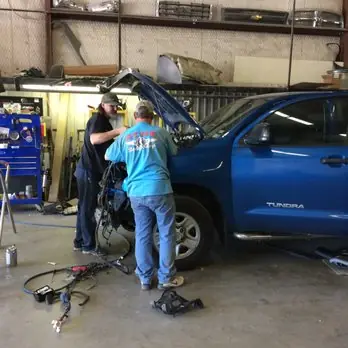
A dented door looks like a dented door. Most people assume the fix is exactly what it looks like: pull the dent, maybe repaint, done. Sometimes that is true. Often, on anything past a shopping-cart ding, it is not, and the tell is usually something you would never think to check yourself.
The door that needs a shove to close
If a door has started needing a little extra push to latch, or a trunk lid that used to close with one hand now needs two, that is not the door being difficult. It means whatever it is mounted to has shifted, even slightly, and the hinge or latch is now meeting metal that is not exactly where it used to be. A door does not develop an attitude on its own, and it is one of the clearest signs something moved underneath a panel that otherwise looks fine.
The gap that is not even anymore
Look down the seam between your hood and your fender, or between two doors. On an undamaged car, those gaps run a consistent width top to bottom. After a hit, even a hit somewhere else on the car, that gap can widen or narrow at one end. A hood that sits a little proud on one corner compared to the fender next to it is telling you the same thing in a different way: something under the visible panel moved, and the panel is just where you happen to notice it.
Why this matters more than the dent itself
A dent is cosmetic by definition, a shape problem in a single panel. A shifted gap or a door that fights its latch is a structural problem, something underneath the panel that is out of alignment. Painting over that without addressing what moved fixes what you can see and leaves the actual problem sitting there, unaddressed. It can also mean the car's structure is not sitting the way it should for the next impact, which matters a lot more than how straight the fender looks in the driveway.
This is why we take things apart before we quote hidden damage
It is also why the estimate we hand you on day one sometimes grows once the car is actually apart. A bumper cover can look completely fine and be hiding a cracked support behind it. A fender that took the visible hit can be attached to a rail that is now a few millimeters out of square, invisible until we measure it on the frame machine. None of that shows up from the outside, which is exactly why we do not quote frame or structural work off a walk-around alone, and why the first number is always described as an estimate rather than a final price.
Sun and heat can hide this too
A car sitting in a hot parking lot all day expands slightly, and a panel gap that looks tight in the cool morning can look different again by afternoon. That is a small effect on its own, but on a car that already has a marginal gap from a prior hit, Panhandle heat swings can make the problem more or less obvious depending on when you happen to be looking at it, which is one more reason a careful measurement beats an eyeball check every time.
What to actually look for, if you are deciding whether to bring the car in
- A door, hood, or trunk that needs more effort to close than it used to
- A panel gap that looks wider or narrower on one end than the other
- A headlight or taillight that sits proud or sunken compared to the panel beside it
- Any new noise, especially wind noise, from around a door or window after a hit
If any of that sounds familiar
Bring it in for a look. The estimate is free, and if it turns out to be nothing, you have lost twenty minutes and gained some peace of mind. If it turns out to be something, better to know now than to find the weak spot the hard way, in the next hailstorm or the next fender-bender. Either way, you will walk out knowing which kind of damage you actually have, and that is worth more than the twenty minutes it costs.
Acme Body Shop, (806) 373-5349
Call (806) 373-5349More articles
What Happens Between Drop-Off and Getting Your Car Back
The mystery isn't the dent, it's everything that happens to the car once it's out of sight, so here's the order it actually happens in.
Why the Paint on Your Ten-Year-Old Car Isn't the Paint Code Color Anymore
The number on your door jamb was accurate the day your car was painted. A decade of Panhandle sun has had other ideas since.